
Kakamega, KE August 10, 2026
Masinde Muliro University says over 10 local inventions are already benefiting students and communities in Western Kenya
Students at Masinde Muliro University of Science and Technology, MMUST are turning waste into solutions. The university has innovated sanitary towels made from sugarcane refuse, herbal remedies for malaria and jiggers, whisky, and honey, all aimed at reducing reliance on expensive imports.Speaking in an exclusive interview today. Vice Chancellor Prof. Solomon Shibairo said the institution has developed over 10 substances designed to cure diseases and improve human lives.
“The intention of innovation is to reduce the high cost of such useful materials from importers,” Shibairo said.
Free Pads for Students is one of the flagship innovations that is reusable and disposable sanitary towels made from sugarcane waste sourced from West Kenya Sugar Company.
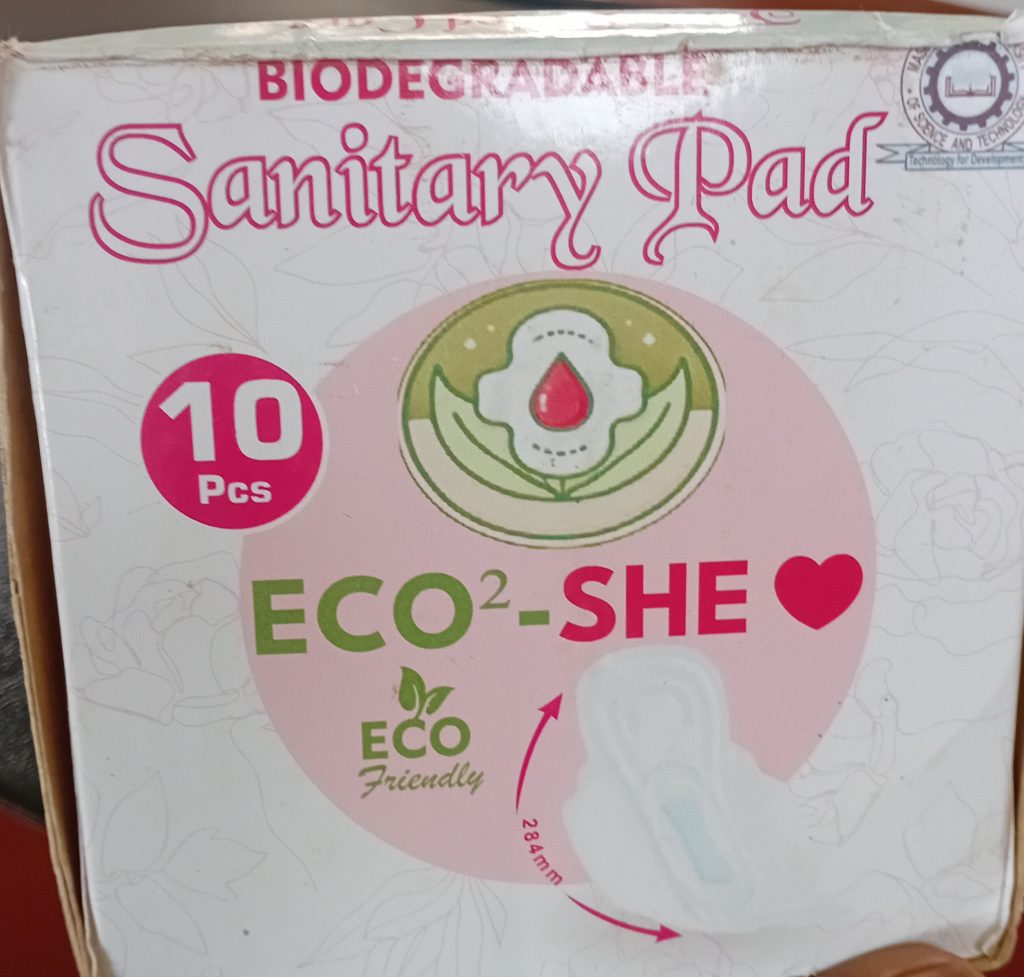
Photo|Sample of Pads made by MMUST students
“Nowadays they don’t buy pads from outside; we give them for free because they are made here by themselves. We make them from sugarcane refuse,” the VC said.
He noted that the pads have benefited most female students, especially those who cannot afford commercial brands. “Students who lack funds to buy non-local-made sanitary towels are able to use their locally made ones because they are safe.”
On Herbal Medicine, MMUST’s School of Medicine students have also developed herbal remedies using indigenous trees from Kakamega Forest. The products target malaria, jiggers and other common ailments.Shibairo said the idea came after neighbors in his Vihiga village were affected by jiggers.
“Medicine students also developed substances that can cure malaria. They did their research and collected materials from Kakamega Forest,” he added.
The herbal medicines are packed and distributed for free during university outreaches. Residents of high-risk malaria areas like Ikolomani are among the main beneficiaries.
On jiggers, the VC said the anti-jigger substance developed at MMUST kills eggs instantly.
“So far we have treated many people using our herbals made by our own students. We are also working on how we can prevent them by treating soils from affected areas,” he noted.
About Whisky, Honey and a New Research Centre, Beyond health products, the university has ventured into whisky made from fruit sugar and honey and large-scale honey production using non-stinging bees.
“Together with my students, we have a variety of things we make here, such as whisky and others. Even in honey production, we bred non-stinging bees that produce large scale honey,” Shibairo said.
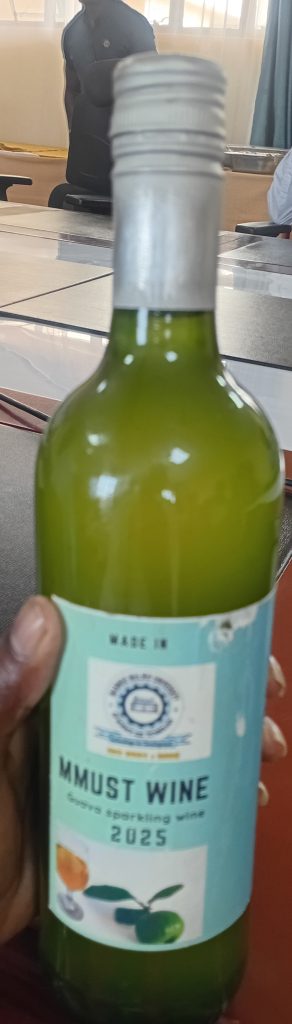
Photo|Whisky made by MMUST students.
The whisky meets required alcohol standards and the university is now seeking approval for large-scale production to create jobs for students.The institution is also planning a dedicated research centre to host innovators and shift society from only believing in imported knowledge.